

Digital Workflow: Why Analog Methods Will Disappear in 5-10 Years
Dentistry is rapidly shifting toward a digital format. What was considered an innovation only recently is becoming the standard today.
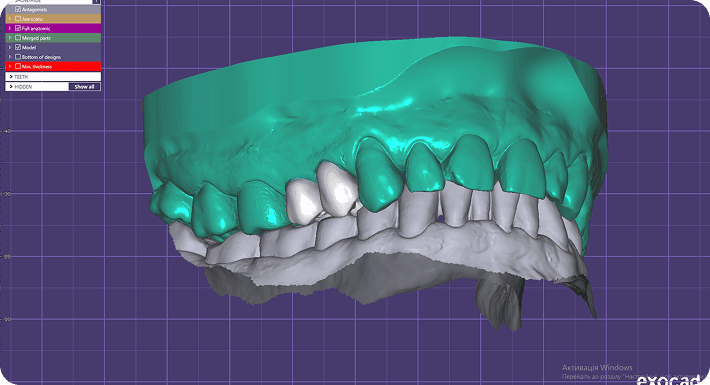
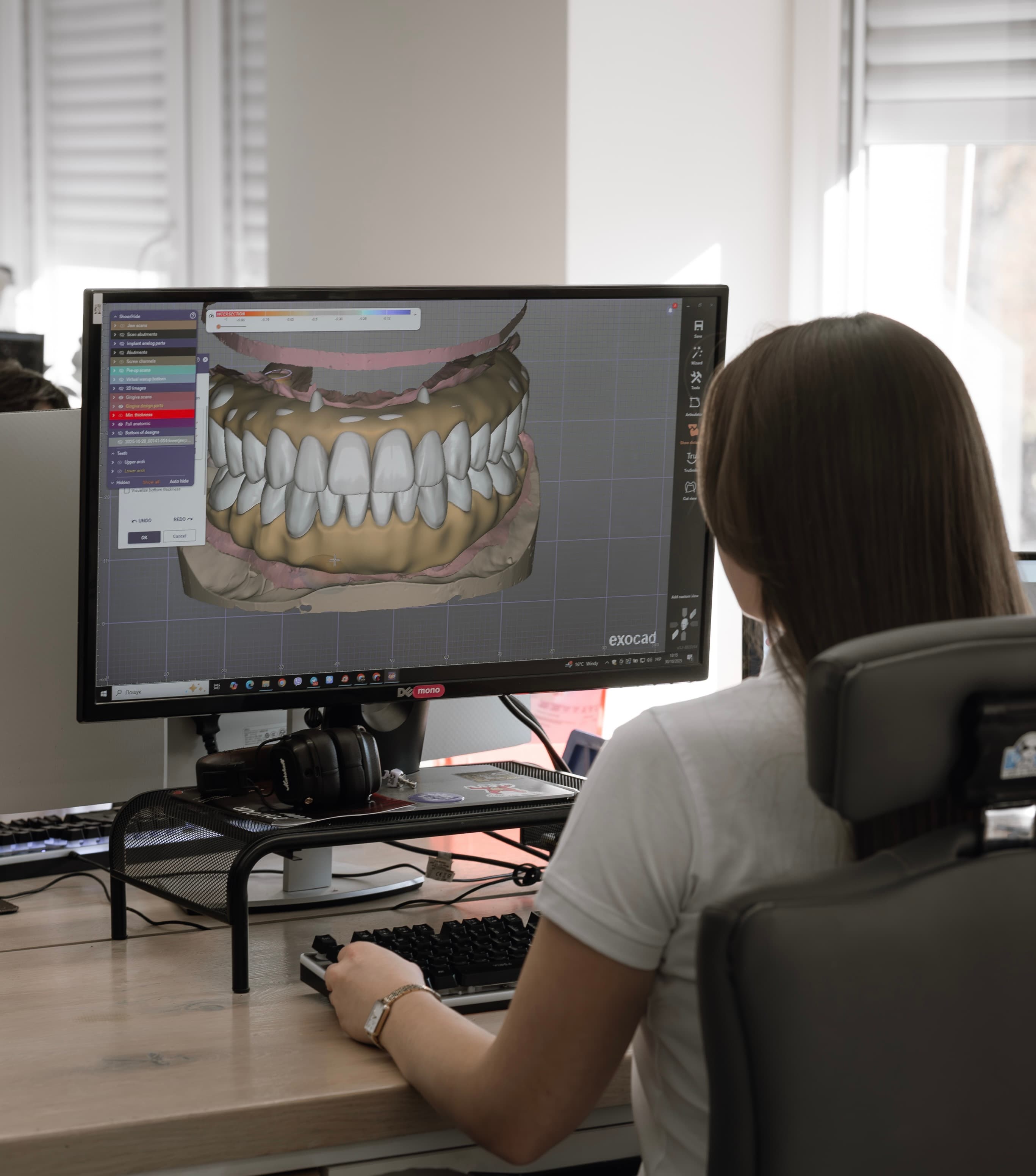
The digital protocol — from intraoral scanning to milling or 3D printing — is gradually replacing analog methods involving physical impressions, plaster models, and manual waxing.
The reason is simple: precision, speed, and predictability.
Digital scans do not deform, files do not break, and models do not crack. Communication between the doctor and the laboratory becomes instantaneous, eliminating logistical delays. Furthermore, digital systems minimize the human factor and reduce the number of necessary adjustments.
Another vital factor is patient expectations. Modern patients seek fast results, aesthetics, and comfort without redundant appointments. The digital protocol meets these demands, ensuring its market share will only continue to grow. In the next 5–10 years, analog methods will likely remain only in niche applications or as a backup option.
How Contour Lab Facilitates the Digital Transition:
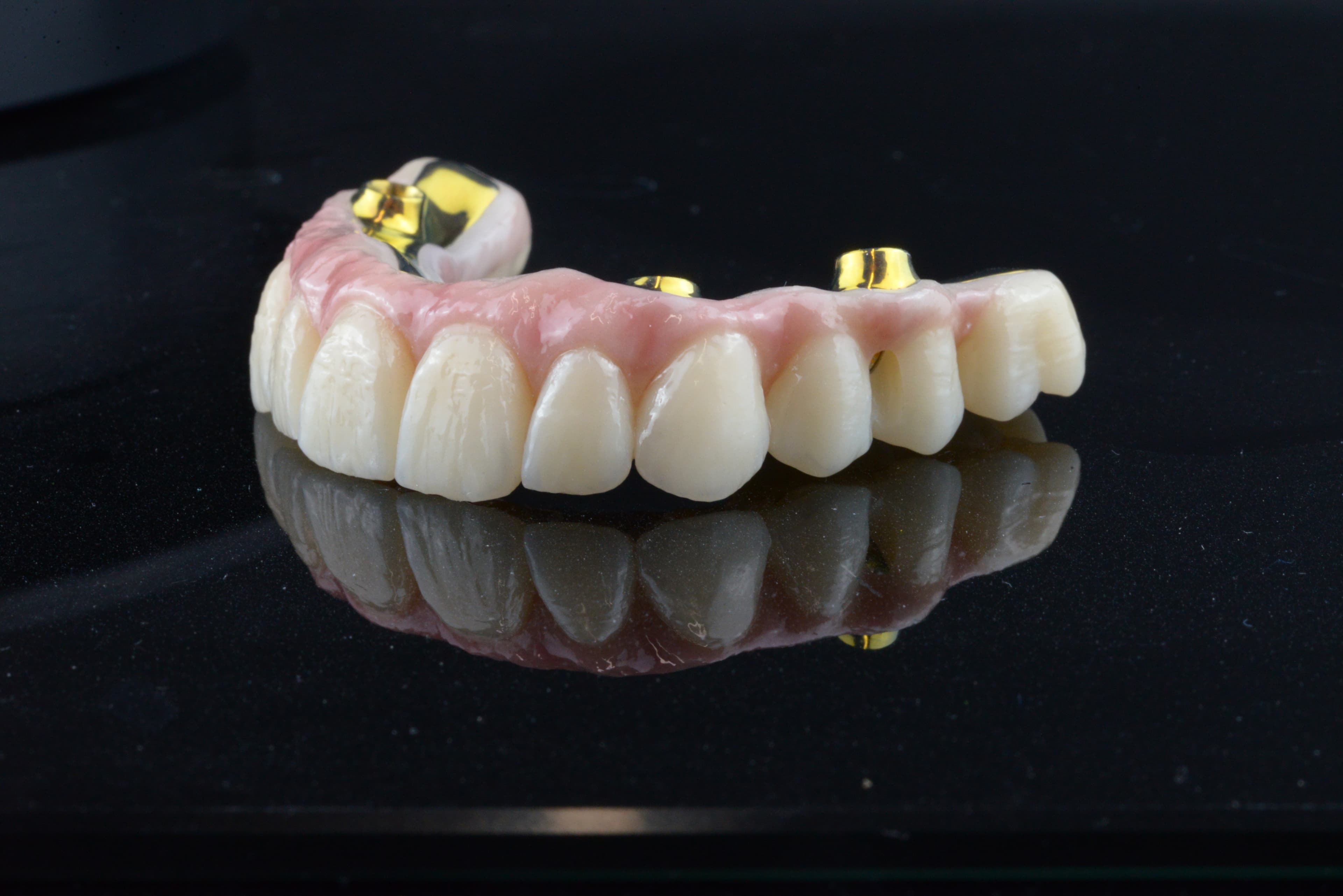
Contour Dental Laboratory operates using advanced digital protocols, providing a full cycle of service — from receiving scans to manufacturing zirconia and ceramic restorations on high-precision equipment.
Contour offers:
- Acceptance of digital impressions from various scanners;
- Precise CAD modeling tailored to clinical data;
- Rapid milling and rigorous quality control;
- Professional communication with the doctor at every stage.
Switching to a digital format is not just a trend; it is a strategic decision for any clinic. Partnering with a laboratory already operating in a digital environment allows you to enhance work quality, optimize processes, and remain competitive in the future!